
5 Fixes to Boost Your Output
As November rolls into December here in Cape Town, the sun starts to crank up the intensity, signaling the approach of our vibrant summer season. For many homeowners and business owners who’ve invested in solar panels, this time of year brings a mix of excitement and concern. On one hand, longer daylight hours mean more potential energy harvest from your solar PV system. On the other, those soaring temperatures can quietly sabotage your setup’s performance. If you’ve noticed your energy output dipping just when you need it most for air conditioners and pool pumps, you’re not alone. In this article, we’ll dive into the specifics of how summer heat affects solar panels in our unique Cape Town climate, why it matters, and most importantly, five actionable fixes to keep your system humming efficiently.
Imagine this: You’ve gone through the photovoltaic panels installation process, wired up a reliable solar PV system, and you’re enjoying those reduced electricity bills. Then summer hits, and suddenly your panels aren’t delivering as promised. It’s a common scenario, but one that’s entirely manageable with the right knowledge. As qualified electricians serving the Southern Suburbs and beyond, we’ve seen it all, from Plumstead rooftops to commercial setups in the city bowl. Let’s break it down step by step, starting with the core challenge.
The Hidden Impact of Heat on Solar Panels
Solar panels thrive on sunlight, but they don’t love the heat that often comes with it. In Cape Town, our Mediterranean climate means mild winters and warm, dry summers, with average daytime temperatures climbing to 25-30°C from December to February, and occasionally spiking above 35°C during heatwaves. While that sounds perfect for beach days, it’s less ideal for your solar PV system.
Here’s the science in simple terms: Most solar panels are tested for efficiency at a standard temperature of 25°C. Above that, performance drops. For every degree Celsius rise beyond 25°C, a typical solar panel loses about 0.3-0.5% of its efficiency. That might not sound like much, but on a hot Cape Town afternoon when panel surfaces can reach 50-65°C, you’re looking at a 10-25% reduction in output. Why? Heat increases the resistance in the photovoltaic cells, making it harder for electrons to flow and generate power. Dust from our windy conditions and pollen in mid-spring exacerbate this, trapping heat and blocking light.
Think about your own rooftop setup. During photovoltaic panels installation, everything is optimized for peak conditions, but summer throws a curveball. Panels mounted flat on roofs with poor airflow heat up faster than those with ventilation gaps. In areas like Constantia or Rondebosch, where homes often have tiled roofs that retain warmth, this effect is amplified. Businesses with larger solar PV systems face similar issues, especially if panels are densely packed without considering local microclimates, like the southeaster wind that can sometimes cool things down but often stirs up debris.
This isn’t just a theoretical problem. Data from local installations shows that without mitigation, a 5kW solar PV system might produce 20-30% less energy on a scorching day compared to a cooler one. If you’re relying on solar panels to offset Eskom’s tariffs or power your home office, that dip can feel frustratingly real.

The Real Costs of Ignoring Summer Heat
Leaving this heat-related efficiency loss unchecked isn’t just an annoyance, it can lead to tangible setbacks that hit your wallet and your peace of mind. First off, reduced output means you’re pulling more from the grid during peak summer demand, when electricity costs are often at their highest due to increased usage across the city. For a household with a standard solar PV system, that could translate to an extra R500-R1000 on your monthly bill, erasing much of the savings you expected from your photovoltaic panels installation.
Worse still, prolonged exposure to high temperatures accelerates wear and tear. Solar panels are built to last 25-30 years, but constant overheating can degrade components faster, leading to microcracks in cells or failures in inverters. In Cape Town’s variable weather, where a hot day might follow a cool spell, this thermal cycling stresses the system, potentially shortening its lifespan by 5-10 years if not addressed. Imagine investing in a top-tier solar PV system only to face costly repairs sooner than anticipated, all because summer heat wasn’t factored in.
There’s also the environmental angle. If your panels underperform, you’re not maximizing clean energy production, which means more reliance on fossil fuels from the national grid. For eco-conscious Capetonians, that’s a double whammy: higher personal costs and a smaller dent in our collective carbon footprint. Businesses face amplified risks too, unreliable power during summer blackouts or load shedding could disrupt operations, from retail stores losing refrigeration to offices dealing with downtime.
And let’s not forget safety. Overheated systems increase the risk of electrical faults, like inverter overloads or wiring issues, which could pose fire hazards in our dry, fire-prone region. We’ve heard stories from clients who ignored warning signs, only to deal with emergency callouts that could have been prevented. The urgency is clear: In a city like ours, where energy independence is key amid ongoing power challenges, letting summer heat erode your solar panels’ potential is a missed opportunity that compounds over time.
5 Practical Fixes to Boost Your Output
The good news? You don’t have to resign yourself to subpar performance. With some smart adjustments, you can counteract summer’s effects and keep your solar PV system running at its best. Here are five proven fixes, drawn from real-world applications in Cape Town, to help you beat the heat.
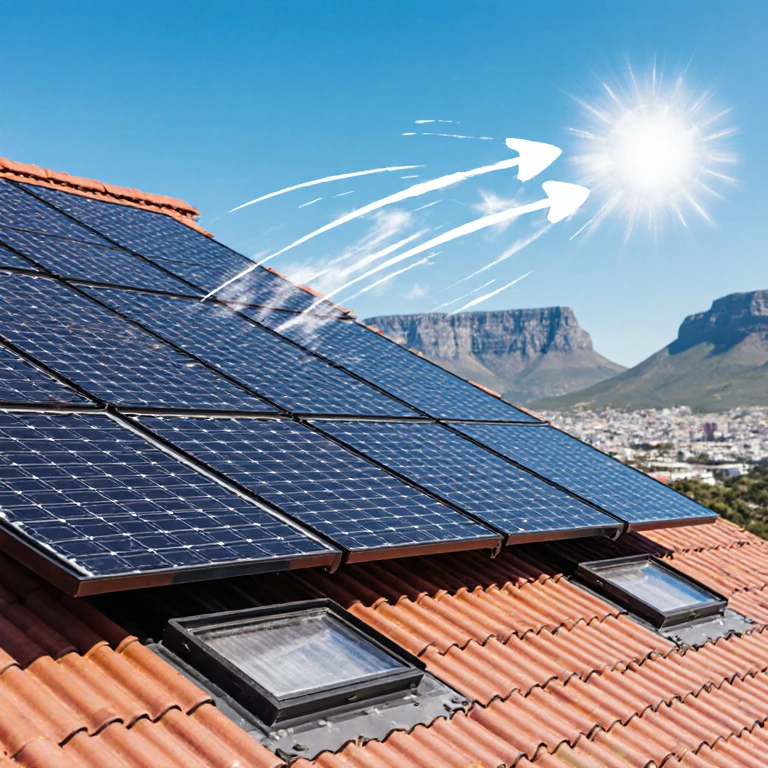
1 Enhance Ventilation and Mounting for Better Airflow
One of the simplest yet most effective ways to combat heat buildup is improving how your solar panels are mounted. During photovoltaic panels installation, opt for racks that create a 10-20cm gap between the panels and the roof. This allows air to circulate underneath, cooling the panels by 5-10°C on hot days. In windy Cape Town, this natural airflow can make a big difference. If your system is already in place, consider retrofitting with elevated mounts or adding ventilation fans. Studies show this can recover up to 15% of lost efficiency, turning a sluggish summer setup into a powerhouse.
2 Implement Regular Cleaning and Maintenance Schedules
Dust, bird droppings, and salt from sea breezes are Cape Town staples that not only block sunlight but also trap heat on panel surfaces. A dirty solar PV system can lose an additional 5-20% efficiency in summer. Schedule bi-monthly cleanings using soft brushes and distilled water to avoid scratches, ideally in the early morning to prevent thermal shock. For larger installations, automated cleaning systems with sensors can be a game-changer. This fix not only boosts output but extends panel life, ensuring your investment pays off year after year.
3 Choose Panels and Inverters with Low Temperature Coefficients
When planning your next upgrade or initial photovoltaic panels installation, prioritize models with temperature coefficients below -0.3% per °C. These are designed to handle heat better, maintaining higher efficiency even at 40°C+. Pair them with high-quality inverters that dissipate heat efficiently, perhaps with built-in fans or hybrid designs. In our experience, this upfront choice can minimize summer losses by 10-15%, making it ideal for Cape Town’s climate. It’s like giving your solar PV system a built-in shield against the sun’s harsher side.
4 Install Monitoring Systems for Real-Time Insights
Knowledge is power, especially in variable weather. Add smart monitoring tools to your solar PV system to track temperature, output, and efficiency in real time via apps. This lets you spot heat-related dips early and adjust, like shading panels temporarily during peak heat or optimizing battery storage. In Cape Town, where sudden heatwaves can strike, these systems provide alerts, helping you maintain 90-95% of optimal performance. It’s an entertaining tech twist, turning energy management into a daily game of optimization.
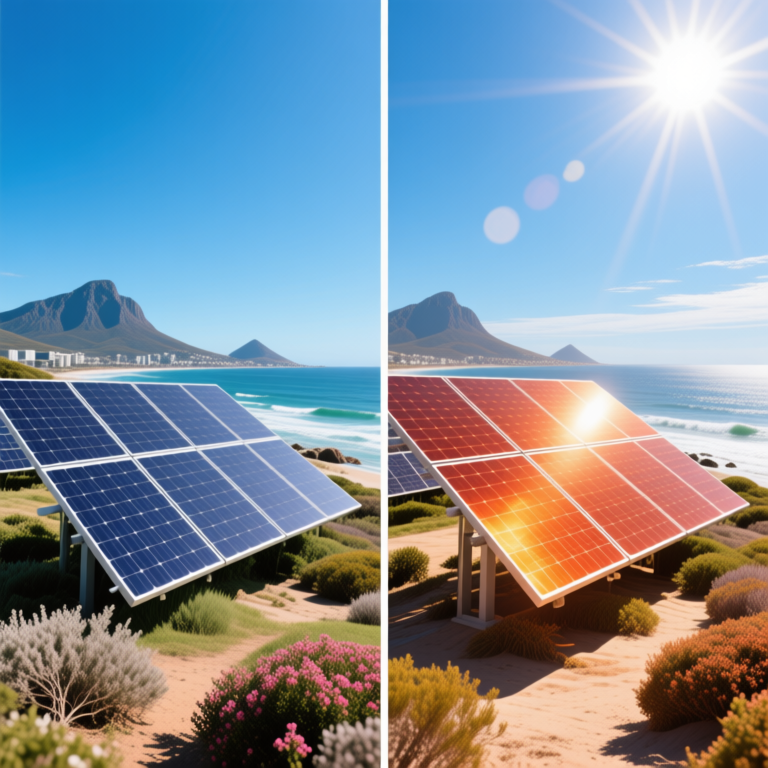
5 Optimize Tilt and Orientation for Seasonal Adjustments
Summer demands a rethink of your panel angles. In Cape Town’s southern latitude, tilting panels at 20-30° facing north maximizes winter sun but can overheat in summer. Consider adjustable mounts to flatten them slightly in hot months, promoting better airflow and reducing direct heat absorption. This tweak, combined with shading from nearby trees (without blocking light), can improve output by 5-10%. It’s a subtle art, blending science with local geography for peak results.
Integrating Expert Support into Your Strategy
Navigating these fixes doesn’t have to be a solo endeavor. As part of a comprehensive approach, partnering with experienced professionals ensures your solar PV system is tailored to Cape Town’s demands. From initial photovoltaic panels installation to ongoing tweaks, qualified teams can audit your setup, recommend ventilation upgrades, and integrate monitoring seamlessly. At ElectroGem, we focus on safe, compliant solutions that align with these strategies, helping you maximize your investment without the hassle. Whether it’s a residential rooftop or a business array, the right expertise turns potential pitfalls into reliable performance.
In wrapping up, beating the heat on your solar panels is about proactive steps that blend technology, maintenance, and local know-how. By addressing this seasonal challenge head-on, you’ll enjoy consistent energy savings, reduced risks, and the satisfaction of a well-tuned system. Summer in Cape Town is too beautiful to spend worrying about your bills, let your solar PV system shine instead.
Frequently Asked Questions (FAQs)
- How much efficiency do solar panels lose in Cape Town summers?
Typically, 0.3-0.5% per degree above 25°C, leading to 10-25% overall reduction on hot days, depending on your setup. - Can I install cooling systems for my solar PV system myself?
Basic ventilation is DIY-friendly, but for electrical integrations like fans, consult a qualified electrician to ensure safety and compliance. - What’s the best time for photovoltaic panels installation in Cape Town?
Mid-spring or early autumn avoids extreme weather, allowing testing before summer heat or winter rains. - Do all solar panels handle heat the same way?
No, models with lower temperature coefficients perform better in warm climates like ours, check specs during selection. - How often should I clean my solar panels to maintain output?
Every 1-2 months in summer, more if in dusty areas, using gentle methods to prevent damage.
Discover why mid-spring is prime for solar PV system installation in Cape Town – read our recent article here…