
How Dust, Heat, and Wind in Cape Town Can Cut Your Power Output (And What to Do About It)
As Cape Town heads into another blistering summer in November, with those relentless south-easters whipping up dust and temperatures soaring past 30°C on a regular basis, many homeowners and businesses with solar panel installation are gearing up for peak production season. After all, longer days and intense sunshine should mean your solar PV system is pumping out power like never before, right? Well, not quite if dust, heat, and wind have their say.
If you’ve noticed your inverter app showing lower-than-expected yields despite clear skies, or if your panels look like they’ve been dusted with a fine layer of Cape Flats sand after just a week of wind, you’re experiencing a common frustration. Cape Town’s unique summer combo of dry heat, persistent winds, and airborne grit turns high-performing solar panels into underachievers faster than you might think.
The Hidden Summer Saboteurs: Dust, Heat, and Wind Attacking Your Solar Panel Installation
Let’s break it down. Your solar panel installation relies on sunlight hitting the photovoltaic cells cleanly and efficiently. But in Cape Town’s summer:
Dust is enemy number one. The south-easter, affectionately known as the Cape Doctor, stirs up fine particles from construction sites, pollen from fynbos, road dust, and even ocean salt in coastal areas. This soiling builds a thin film that scatters sunlight, reducing the amount that reaches your cells. Studies in similar arid regions show dust can slash efficiency by 10-30% or more if left unchecked, and in South Africa, losses of up to 20% aren’t uncommon during dry spells.
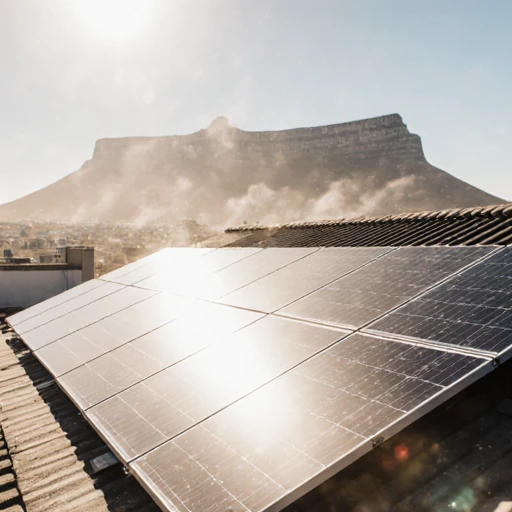
Heat follows close behind. Solar panels are tested at 25°C, but in reality, they bake under direct sun, often hitting 60-70°C on hot days. Most panels have a temperature coefficient of around -0.3% to -0.5% per degree above 25°C, meaning for every degree hotter, you lose that percentage of output. On a 40°C day with panels at 65°C, that’s a 12-20% drop just from heat derating, right when air con demand spikes.
Wind might seem helpful for cooling, but those gusts loosen mounts over time, shift panels slightly, or drive dust deeper into frames and junctions. In extreme cases, poor photovoltaic panels installation can lead to micro-cracks or water ingress during rare summer thundershowers.
These issues compound: dusty panels absorb more heat, hot inverters throttle output to protect themselves, and windy vibrations stress connections. Suddenly, your carefully planned solar PV system is delivering far less than promised.
The Costly Consequences: Why Ignoring Summer Challenges Hits Hard in Cape Town
Overlooking these seasonal threats isn’t just about a dip in daily production; it adds up to real money and headaches.
Financially, reduced output means buying more from the grid during peak tariff times, eroding your payback period. A 20% loss on a 5kW solar panel installation during summer could mean hundreds of rands wasted monthly, especially with rising electricity costs. For businesses, unreliable solar means higher operational expenses when you need power most.
Safety and longevity suffer too. Dust creates hotspots that damage cells permanently, while overheating accelerates degradation, shortening panel life from 25+ years. Wind-stressed mounts risk structural failure, potentially voiding warranties.
Then there’s compliance. Expanding or fixing a faulty solar PV system without proper checks can delay City of Cape Town approvals, leaving you offline longer. In a city pushing for more solar to combat loadshedding, unauthorised tweaks invite fines or forced decommissioning.
Urgency peaks now, in November. Summer’s peak sun is your best chance for savings, but without preparation, you’ll watch potential yields blow away with the wind.
Your Practical Summer-Proofing Framework: Keep Your Solar PV System Performing at Peak
The fix is simpler than you think, and starting early delivers immediate gains. Here’s a straightforward approach any Cape Town solar owner can follow.
First, monitor closely. Use your inverter app to track daily yields versus expected (based on irradiance). A sudden 10-15% drop often signals dust or heat issues.
Safe homeowner actions:
- Rinse panels gently with a hose early morning (cool panels prevent thermal shock).
- Check for shading from summer growth or new dust hotspots.
- Ensure inverter ventilation is clear, dust builds up fast in windy weather.
For deeper protection:
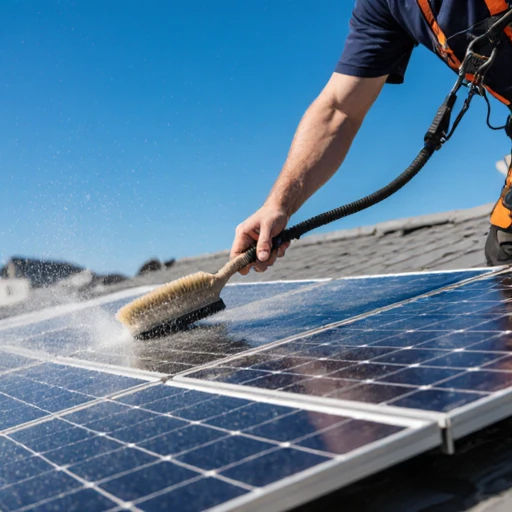
- Schedule professional cleaning: soft brushes and deionised water remove grime without scratches.
- Inspect mounts and seals for wind wear.
- Add optimisers or micro-inverters if heat throttling is frequent.
- Consider anti-soiling coatings during next maintenance.
In Cape Town, aim for cleaning every 3-6 months in summer, more if coastal or near busy roads. Heat-wise, ensure good airflow around panels during solar panel installation or retrofits.
Compliance tip: Any upgrades need City authorisation first, a quick online process for registered systems.
This framework restores 15-30% lost output quickly, often noticeable the same day.
How a Trusted Electrical Contractor in Cape Town Elevates Your Solar Panel Installation
While DIY helps, electricity and heights demand pros. A qualified electrical contractor Cape Town experts know local quirks: wind-loading standards for mounts, best cleaning methods for salty air, and heat-resistant components.
They perform thorough audits: infrared scans for hotspots, performance ratio tests, and structural checks. For new or expanding photovoltaic panels installation, they handle full SSEG registration with the City, ensuring compliant grid-tie and fast approvals.
Many offer seasonal packages: cleaning, optimisation, and minor tweaks like adding ventilation or surge protection. This keeps your solar PV system compliant with SANS standards and maximises summer gains.
Look for registered electrical contractor teams with solar accreditation, local references, and transparent reporting.

Quick Wins and Long-Term Tactics for a Resilient Solar Panel Installation
Immediate boosts:
- Morning rinses after windy days.
- Shade inverters from direct afternoon sun.
- Monitor for bird activity, common in summer.
Longer-term:
- Opt for panels with better temperature coefficients (-0.3% or lower).
- Integrate batteries for heat-peak shifting.
- Annual pro inspections before November.
With Cape Town’s abundant sun, a well-maintained solar panel installation thrives year-round.
Cape Town summers are made for solar, don’t let dust, heat, or wind steal your power. Act now for a cooler, more rewarding season ahead. Reach out to a local specialist for a no-obligation check, your solar PV system deserves it.
Stay powered and cool.
Frequently Asked Questions
- How much efficiency do solar panels lose from dust in Cape Town summer?
Dust can reduce output by 10-30%, depending on buildup; regular cleaning restores most losses. - Does heat really affect my solar PV system that much in hot weather?
Yes, panels lose about 0.3-0.5% per degree above 25°C, often 10-20% on peak summer days. - How often should I clean my solar panels during Cape Town’s windy season?
Every 3-6 months, or more frequently in dusty/coastal areas for optimal performance. - Can wind damage my photovoltaic panels installation?
Strong gusts can loosen mounts if not properly secured; professional inspections ensure wind resistance. - Do I need a professional electrical contractor for solar panel maintenance in Cape Town?
For safety, compliance, and thorough checks, yes, especially for cleaning at height or system tweaks.
Protect your home from Cape Town’s gale-force winds and veld fires with essential electrical fault finding – read our recent article here…