
Avoid Overloads and Trips When You Need Power Most
As November rolls in and Cape Town gears up for another scorching, windy summer, many homeowners and business owners start cranking up the air conditioners, fans, and pool pumps. It’s the season of braais, beach days, and unfortunately, unexpected power trips that leave you sweating in the dark. If you’ve ever flipped on the AC only to have the lights flicker or the breaker trip, you’re not alone. These frustrations often point straight to one culprit: an unprepared electrical distribution board.
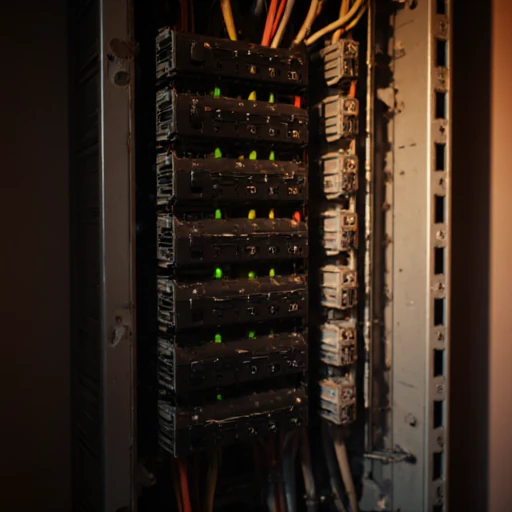
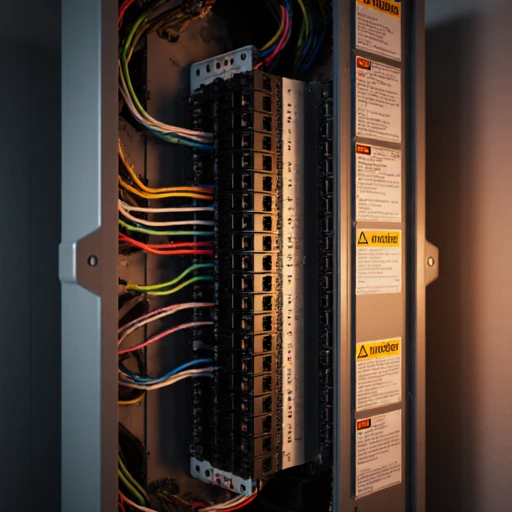
Your electrical distribution board, often called the DB board, is the heart of your property’s electrical system. It takes power from the mains and safely distributes it to lights, plugs, appliances, and everything else. In older Cape Town homes, especially those built before the 1990s, these boards were designed for simpler times, fewer gadgets, no inverter air cons, and certainly not the intense summer loads we throw at them today.
The Summer Challenge: Why Your Electrical Distribution Board Faces Extra Strain in Cape Town
Cape Town’s summers are unique. We’re talking temperatures pushing 35°C or higher, combined with those fierce south-easters that whip up dust and stress overhead lines. Add in the seasonal spike from cooling systems, and your electrical system gets hammered.
High summer demand means more appliances running longer. Air conditioners alone can draw massive current, especially inverter models that ramp up during heatwaves. Pool pumps run overtime, fridges work harder to keep cool, and everyone charges devices more as outdoor living ramps up. This overloads circuits, causing the breakers in your electrical distribution board to trip as a safety measure.
Wind plays a role too. Strong gusts can cause momentary surges or faults on the grid, sending fluctuations straight to your board. Dust blown into vents or loose connections heats up faster in dry conditions, accelerating wear.
In many Cape Town suburbs, from Constantia to Table View, properties still have original or outdated boards with limited capacity. These might handle winter fine but buckle when summer hits. Frequent trips aren’t just annoying; they’re a warning.
The Real Risks: What Happens If You Ignore an Overloaded Electrical Distribution Board
Leaving your electrical distribution board unprepared isn’t just inconvenient, it can be dangerous and expensive.

First, safety. Overloaded circuits generate heat. Excessive heat in wiring or the board itself can melt insulation, spark, or start fires. South Africa sees thousands of electrical fires yearly, many traceable to overloaded systems during peak seasons. In hot, dry conditions, a small spark spreads fast.
Then there’s damage to appliances. Surges from trips or fluctuations fry electronics, air cons, and fridges. Replacing a compressor in an AC unit hurts the wallet far more than preventive checks.
Financially, unreliability adds up. Downtime for businesses means lost productivity. For homes, spoiled food in freezers or interrupted work-from-home setups frustrates everyone. Insurance claims for electrical damage often get denied if non-compliance is found, leaving you out of pocket.
Urgency builds as summer peaks. A board that limps through spring fails spectacularly on the first 40°C day with wind. Waiting for a trip to call help means emergency callouts, higher costs, and waiting in heat.
Your Step-by-Step Solution: Preparing Your Electrical Distribution Board for a Trouble-Free Summer
The good news? Preparing your electrical distribution board is straightforward with the right approach. Here’s a clear framework to get ahead.
Start with awareness. Know your board’s age and capacity. Most modern boards handle 60-100 amps or more, but older ones might be 40 amps or less. Count circuits: fewer than 8-10 often signals undersizing for today’s needs.
Perform basic homeowner checks safely:
- Locate your board (usually garage or outside wall) and ensure clear access, no storage blocking it.
- Look for warning signs: burnt smells, warm cover, buzzing, discoloured breakers, or corrosion.
- Test earth leakage by pressing the test button; it should trip instantly.
- Note frequent trips on specific circuits, like those powering cooling.
Balance loads yourself where possible. Spread high-draw items: run AC on one circuit, pool pump on another. Avoid daisy-chaining extensions.
For real protection, schedule a professional inspection. A qualified electrical contractor assesses the full system, including the wiring of a distribution board if upgrades are needed.
Key upgrades often recommended:
- Install surge protectors at the board to handle wind-induced fluctuations.
- Add dedicated circuits for air cons or heavy appliances.
- Upgrade breakers to modern types that handle loads better.
- Replace outdated boards with compliant ones featuring better earthing and more slots.
In South Africa, all work must comply with SANS 10142-1, the wiring code ensuring safety. This includes proper labelling, earth leakage protection, and load calculations.
Timing matters. Do this in November, before peak heat, for seamless summer.

Why Professional Help from a Trusted Electrical Contractor in Cape Town Makes All the Difference
DIY fixes tempt, but electricity demands expertise. Incorrect wiring of a distribution board risks shocks, fires, or invalid insurance.
A registered electrical contractor Cape Town residents rely on brings local knowledge: understanding older suburb wiring, grid quirks, and summer-specific issues. They test thoroughly, recommend tailored solutions, and issue a Certificate of Compliance (CoC) for peace of mind.
Many contractors offer pre-summer packages: full board audit, cleaning connections, tightening wires, and minor upgrades. This prevents major failures.
Choosing the right electrical contractor ensures quality components, compliant installs, and warranties. Look for registration with the Electrical Contractors Association, proven track record in distribution boards, and transparent advice.
Quick Wins and Long-Term Strategies for Your Electrical Distribution Board
Immediate actions:
- Unplug unused appliances to reduce phantom loads.
- Clean board vents to prevent dust buildup in windy weather.
- Use energy-efficient cooling to ease demand.
Long-term:
- Consider solar integration with hybrid boards for off-peak relief.
- Plan full upgrades if adding EV charging or extensions.
- Annual maintenance keeps everything optimal.
By acting now, you transform your electrical distribution board from a potential headache into a reliable powerhouse.
Cape Town summers should be about enjoyment, not electrical worries. Preparing your electrical distribution board today means cool, uninterrupted power tomorrow. Don’t wait for the first big trip, reach out to a qualified electrical contractor for an assessment. Your home or business will thank you.
Stay safe, stay cool.
Frequently Asked Questions
- What are the most common signs that my electrical distribution board needs attention before summer?
Frequent breaker trips, flickering lights when using air con, warm or buzzing board cover, or burnt smells indicate overload or faults. - Can I upgrade my electrical distribution board myself?
No, all work on distribution boards must be done by a registered electrical contractor to comply with SANS 10142-1 and ensure safety. - How often should I have my electrical distribution board inspected in Cape Town?
At least every 5 years, or annually if older, plus before high-demand seasons like summer. - Will surge protection on my electrical distribution board help with windy summer surges?
Yes, whole-house surge protectors installed at the board absorb fluctuations from grid issues or lightning risks. - What’s the difference between a standard check and a full wiring of a distribution board upgrade?
A check identifies issues; an upgrade involves replacing the board, rewiring as needed, and adding capacity for modern loads.
Protect your solar panel installation from Cape Town summer dust, heat, and wind – read our recent article here…