
Imagine this: you are enjoying a mild autumn evening in your Cape Town home, perhaps in the Southern Suburbs or closer to the Atlantic seaboard. The lights suddenly flicker while the kettle boils, or that faint buzzing sound from the cupboard under the stairs keeps getting louder. These are not random annoyances. They could be your electrical distribution board quietly raising a red flag.
In a city where older homes mix with modern renovations, and where seasonal shifts plus occasional grid pressures test every circuit, your electrical distribution board is the unsung hero, or sometimes the hidden troublemaker, of your entire setup. It safely distributes power to every light, appliance, and outlet. When it starts struggling, ignoring the signs can turn a small issue into a major headache.

At ElectroGem, we see these problems every week. Homeowners and business owners contact us after spotting one or two clues, hoping it is nothing serious. Often it is not too late, but the sooner a professional electrician steps in, the better.
This guide walks you through the five most common warning signs that your electrical distribution board needs attention. We will cover what each sign really means, why it matters right now in warm autumn weather, and exactly what to do next, all without any guesswork.
Recognising the Heart of Your Electrical System Is Under Stress
Your electrical distribution board, sometimes called the DB board, is the central hub where incoming power gets split and protected by circuit breakers and earth leakage units. In Cape Town homes built before the 1990s, many still rely on older fuse-style boards that lack modern safety features required under SANS 10142-1 standards. Even newer installations can wear down over time due to added appliances, renovations, or the extra strain from power fluctuations.
The challenge most owners face is that problems develop gradually. You adapt to occasional tripped breakers or slightly dim lights without realising the root cause sits inside that metal box. During warm autumn months like March, when air conditioners wind down but geysers and pool pumps stay busy, demand stays steady enough to expose weak points before winter rains introduce moisture risks.
Common early clues include:
- Breakers tripping more often than usual, even with normal usage.
- Lights that flicker or dim when you switch on the microwave or washing machine.
- A faint burning or plastic-like smell near the board.
- Unusual buzzing or crackling sounds coming from inside the enclosure.
- Visible discolouration, warmth, or loose wires when you carefully open the cover (never do this yourself if unsure).
These are classic indicators of an overloaded board, loose connections in the wiring of a distribution board, or early electrical fault developing inside.
Why Ignoring These Signs Can Cost You More Than You Think
Leave these signals unchecked and small issues quickly snowball. Frequent tripping might seem like a minor inconvenience until it happens during a critical moment, such as a home office video call or a business refrigeration cycle. In Cape Town, where reliable power supports everything from tourism venues to family routines, repeated outages disrupt daily life and productivity.
Worse still, an undetected electrical fault inside the distribution board can lead to overheating wires, which raises the risk of fire. South African statistics consistently show electrical faults as a leading cause of residential fires, especially in properties with outdated electrical wiring. A burning smell today could become smoke tomorrow.
Insurance companies often require a valid Certificate of Compliance for electrical installations. If your board has visible faults or non-compliant wiring of a distribution board, any claim could be declined. Add the hidden cost of higher electricity bills, because inefficient or leaking circuits force your system to work harder, and the picture gets expensive fast.
During autumn, when mild weather tempts homeowners to delay maintenance, these risks quietly build. Winter storms and increased indoor appliance use then push already stressed boards over the edge, turning a simple inspection into an emergency call-out.

A Clear, Practical Approach to Restoring Safety and Peace of Mind
The good news is you do not need to become an expert. Spotting the signs is the first step. The second is acting promptly with professional help. Here is a straightforward framework any homeowner or business owner can follow:

- Observe and log. Note when breakers trip, which circuits are affected, and any patterns with specific appliances. Take photos if safe (without touching live parts).
- Perform the simple earth leakage test. Press the test button on your earth leakage unit monthly. If it does not trip and reset properly, that is another clear sign something needs attention.
- Schedule a professional inspection. A registered electrician will open the board safely, check every connection, test for earth faults, measure load balance, and assess the overall condition of your electrical wiring.
- Upgrade where needed. This might involve rewiring sections of the distribution board, installing additional circuits, or replacing outdated breakers with modern, compliant components that meet current SANS standards.
- Maintain regularly. Once fixed, annual checks keep everything running smoothly, especially useful ahead of seasonal changes.
This approach delivers immediate value because it prevents escalation. Instead of reacting to a blackout at 2 a.m., you stay ahead with planned, safe electrical installations.
Partnering with Local Expertise That Keeps You Safe
When it is time to act, choosing the right electrical contractor makes all the difference. Local professionals understand Cape Town’s unique mix of heritage homes, coastal humidity, and grid realities. They bring the right tools, up-to-date knowledge of regulations, and genuine care for your property.
Teams like ours at ElectroGem specialise in exactly these situations. Whether it is diagnosing an electrical fault, performing precise wiring of a distribution board, or completing full electrical installations that earn a fresh Certificate of Compliance, the focus stays on long-term safety and reliability. We treat every home and business as unique, never applying one-size-fits-all solutions.
By addressing issues early, you protect your family, your investment, and your daily comfort. Autumn’s stable weather provides the perfect window for this work, no urgent storms interrupting progress and no extreme heat complicating the job.
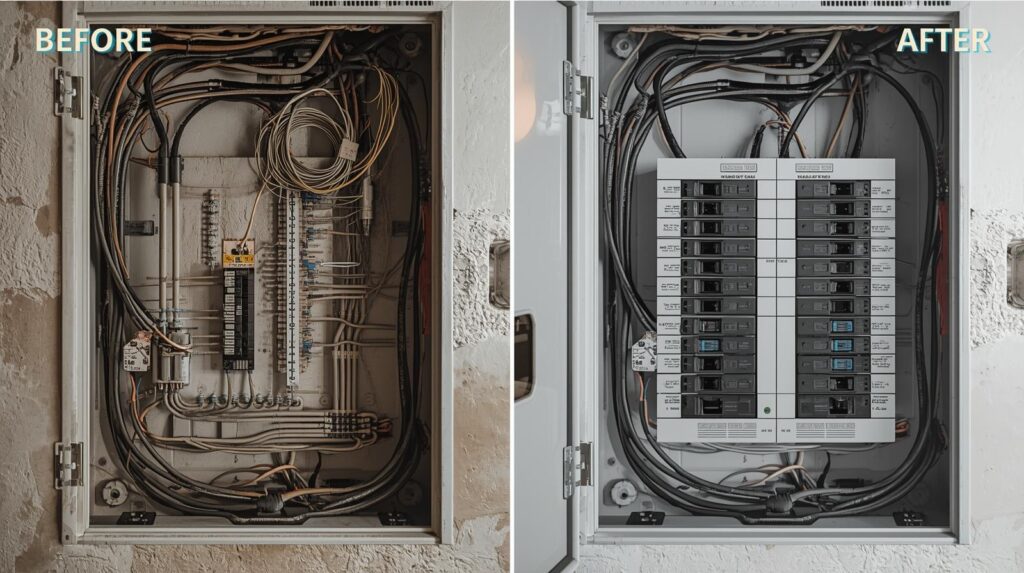
Why Autumn 2026 Is the Smart Time to Act in Cape Town
March brings warm, dry days ideal for electrical work. Contractors can access roofs or external boards easily, dust settles less, and you avoid the rush that comes with winter rains potentially exposing hidden moisture damage. Recent city notices about planned maintenance and area faults remind us all how important a robust home system really is. A quick professional check now means fewer surprises when the weather turns.
Preventive Tips to Keep Your Board Healthy Year-Round
Beyond watching for the five signs, simple habits help:

- Avoid overloading single circuits with multiple high-draw appliances.
- Test earth leakage units monthly.
- Never DIY modifications to your electrical distribution board.
- Keep the area around the board clear and well ventilated.
- Schedule professional electrical wiring reviews every two to three years.
These small steps, paired with expert oversight, turn potential problems into non-events.
Listen to Your Board Before It Speaks Louder
Your electrical distribution board works silently in the background until it cannot. The five warning signs, frequent tripping, flickering lights, burning smells, buzzing sounds, and visible wear, are its way of asking for help. In Cape Town’s dynamic environment, catching these early with a professional electrician prevents headaches, protects lives, and keeps your property compliant and efficient.
Do not wait for the next flicker or trip to remind you. A short call to a trusted electrical contractor today can deliver years of worry-free power.
5 Frequently Asked Questions
- What exactly is an electrical distribution board and why does it matter?
It is the central panel that receives power from the mains and safely distributes it through individual circuits via breakers and protective devices. A healthy board prevents overloads and electrical faults while ensuring every part of your home or business stays powered reliably. - How often should I have my distribution board inspected by a professional electrician?
Most experts recommend a full inspection every two to three years, or immediately if you notice any of the warning signs. In Cape Town, annual checks are wise for older properties or after any major renovations. - Can I check or fix issues with my electrical distribution board myself?
Never attempt internal repairs or wiring changes yourself. Even simple visual checks should only happen with the power safely isolated. Calling a qualified electrician ensures compliance with SANS standards and avoids serious safety risks. - Why is a Certificate of Compliance important for electrical installations in Cape Town?
The CoC proves your entire system, including the distribution board and its wiring, meets legal safety requirements. It is often needed for insurance, property sales, or municipal approvals and protects you financially if issues arise. - What should I do right away if I smell burning near my board?
Turn off the main switch if safe, evacuate the area, and call a professional electrician immediately. A burning smell signals potential overheating and must never be ignored, as it could indicate an active electrical fault requiring urgent attention.
Hot weather + outdoor lights = electrical faults waiting to happen. Learn the top signs, quick fixes and why professional electrical faulting is essential. Read our recent article here…