
Picture this: it is a warm March evening in your Cape Town home, perhaps in the Southern Suburbs or along the Atlantic seaboard. The lights flicker for a split second while the kettle boils, or your television cuts out randomly during your favourite show. Hours later everything works perfectly again. No tripped breaker, no obvious cause. These mysterious glitches are classic intermittent electrical faults, and they drive homeowners and business owners mad because they refuse to show up on demand.
In a city with a mix of heritage homes, coastal humidity and occasional grid fluctuations, intermittent electrical faults hide in walls, ceilings and outdated wiring. They appear and disappear without warning, making self-diagnosis almost impossible.

At ElectroGem we meet families and business owners every week who have lived with these frustrating power blips for months. The good news is that a qualified electrician has the right tools and training to track them down quickly and safely.
This guide explains exactly how professional electricians perform electrical fault finding on intermittent electrical faults in Cape Town homes. You will see the clear warning signs, understand the real risks of ignoring them and learn the practical steps experts follow. All written for warm autumn conditions in March 2026, when stable dry weather makes thorough inspections easier and safer than ever.
The Frustrating Nature of Intermittent Electrical Faults
Intermittent electrical faults are exactly what the name suggests. They come and go, often triggered by vibration, temperature changes, moisture or loose connections that only make contact some of the time. Unlike a blown fuse or obvious short circuit, these faults leave almost no permanent evidence.
Common triggers in Cape Town homes include:
- Loose connections in the electrical wiring that shift with everyday movement or thermal expansion.
- Degraded insulation in older conduits, especially in coastal areas where salt air and occasional dampness creep in.
- Hidden damage from past renovations where cables were nicked or pinched.
- Faulty earth leakage units or neutral connections that only fail under specific loads.
During warm autumn months like now, the mild temperatures and lower humidity create perfect conditions for these faults to reveal themselves gently, before winter rains make tracing far more difficult. Homeowners often notice flickering lights, random appliance resets, or brief power drops to certain rooms with no pattern. That is your electrical system quietly asking for professional help.
Why Leaving Intermittent Electrical Faults Untreated Is Risky
Living with these random glitches might feel tolerable at first, but the hidden costs add up fast. Appliances and electronics suffer from repeated voltage spikes and drops, shortening their lifespan and inflating repair bills. Sensitive equipment in home offices or small businesses can lose data or require constant reboots.
More seriously, intermittent electrical faults often involve arcing or overheating at loose points. Over time this creates fire hazards, especially in concealed wiring where you cannot see the damage building. South African fire statistics regularly list electrical faults among the top causes in residential properties, and intermittent issues are the hardest to prove until it is too late.
Insurance companies and municipal inspectors expect a valid Certificate of Compliance for all electrical installations. An unresolved fault can lead to a failed inspection or a declined claim if damage occurs. Add higher electricity bills from inefficient circuits that waste power, and the picture becomes expensive and stressful.
In autumn the temptation is to wait because the weather feels fine. Yet this is precisely the window when a professional electrician can find and fix the problem before winter storms or increased indoor heating push hidden weaknesses into full failures.
How Professional Electricians Perform Electrical Fault Finding Step by Step
Qualified electricians follow a systematic, safe process using specialised equipment that homeowners simply do not have. Here is the clear framework they use to solve intermittent electrical faults:

- Detailed history gathering. The electrician asks when the faults occur, which circuits are affected and any recent changes to the property. This narrows the search area dramatically.
- Visual and basic inspection. With the power safely isolated where possible, they check for obvious signs such as discoloured wires, loose terminals or corrosion inside distribution boards and accessible junction boxes.
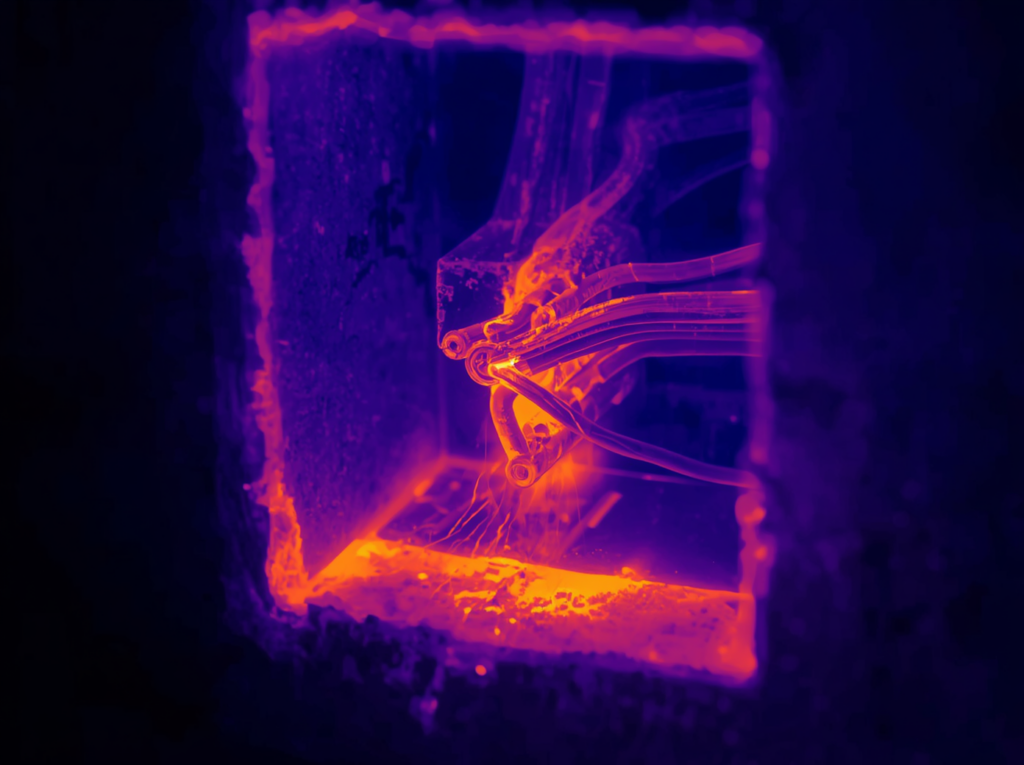
- Advanced non-invasive testing. Modern tools make the invisible visible. A thermal imaging camera scans live circuits under normal load to reveal hot spots caused by loose connections or overloaded wiring, perfect for catching intermittent issues without cutting walls.
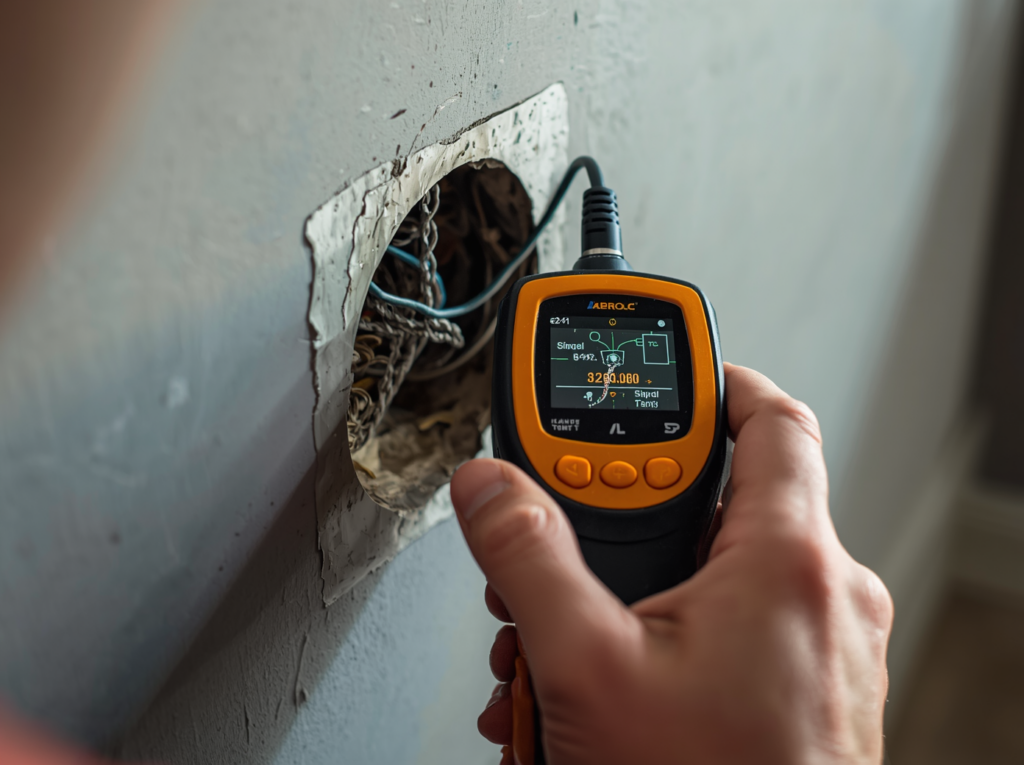
- Circuit tracing and signal injection. Using a professional wire tracer or circuit tracer, the electrician sends a signal through the wiring and follows it through walls and ceilings to locate breaks, shorts or poor connections hidden from view.
- Insulation resistance testing. A Megger-style insulation tester measures the quality of cable insulation. Low readings pinpoint degraded wiring that causes earth faults or intermittent shorts, especially common in Cape Town’s coastal climate.
- Monitoring and load testing. For truly elusive faults, data loggers or advanced multimeters record voltage and current over time while appliances run normally. This captures the exact moment the fault appears.
- Precise repair and verification. Once located, the electrician performs correct electrical wiring repairs or replacements, then re-tests the entire circuit to confirm the intermittent electrical fault is gone and the system meets SANS 10142-1 standards.
This methodical approach delivers real answers fast, often in a single visit. It turns guesswork into certainty and prevents the problem from returning.
Local Expertise You Can Trust
When intermittent faults appear, choosing the right electrical contractor matters. Local professionals understand Cape Town’s unique building styles, from Victorian homes in Woodstock to modern complexes in Table View. They arrive with current knowledge of regulations, the latest diagnostic tools and genuine respect for your property.
Teams like ours at ElectroGem specialise in exactly this kind of detective work. Whether it is full electrical fault finding, careful electrical installations or complete electrical wiring upgrades, the goal stays the same: safe, compliant and reliable power for your home or business. We treat every job as unique and always leave you with a fresh Certificate of Compliance where required.
Warm autumn weather in March makes the entire process smoother. No rain delays, easier access to roof spaces and external wiring, and less pressure than emergency winter call-outs.
Why March Is the Ideal Time for Electrical Fault Finding in Cape Town
Stable dry conditions allow electricians to work safely on live systems and perform thorough thermal scans without moisture interference. It also gives you peace of mind before the wetter months when hidden faults often worsen dramatically. Recent city notices about load shedding and grid maintenance remind us all how important a robust home system really is.
Simple Preventive Habits to Reduce Future Faults
After professional repairs, keep problems at bay with these easy steps:
- Test your earth leakage unit monthly by pressing the test button.
- Avoid overloading circuits with multiple high-draw appliances.
- Never ignore flickering lights or random power drops.
- Schedule a full electrical inspection every two to three years.
- Keep distribution boards clear and well ventilated.
These habits, combined with expert oversight, turn potential disasters into non-events.
Stop Guessing and Start Solving
Intermittent electrical faults do not fix themselves. The random flickering, unexplained outages and mysterious trips are your home’s way of asking for expert help. In Cape Town’s variable climate, waiting until winter only makes the problem harder and more expensive to solve.
A professional electrician using proper electrical fault finding techniques can locate and repair the issue quickly, safely and permanently. Do not let another random power blip disrupt your day. Contact a trusted local electrical contractor while the autumn weather still makes the job straightforward.
Your family, your appliances and your peace of mind will thank you.
5 Frequently Asked Questions
- What usually causes intermittent electrical faults in Cape Town homes?
Loose connections, degraded insulation from coastal humidity, or damage from past renovations are the most common culprits. These issues only create problems under certain conditions, making them hard to spot without professional electrical fault finding. - Can homeowners perform electrical fault finding themselves?
Basic visual checks are possible, but tracing intermittent electrical faults safely requires specialised tools and training. Attempting advanced tests yourself risks shock, fire or non-compliant electrical installations. Always call a qualified electrician. - Which tools do professional electricians use for intermittent faults?
Experts rely on thermal imaging cameras, wire tracers, insulation testers and data loggers. These allow precise location of hidden electrical faults without unnecessary wall damage. - How long does professional electrical fault finding usually take?
Most homes require one to three hours for a thorough diagnosis, depending on the property size and complexity. Repairs can often be completed on the same visit once the fault is located. - Why is autumn a good time to arrange electrical fault finding?
Mild, dry March weather allows safe testing under normal loads and easier access to wiring. It prevents small issues from escalating when winter rains and higher appliance use arrive.
Tips to maintain solar PV system efficiency – read our article here…